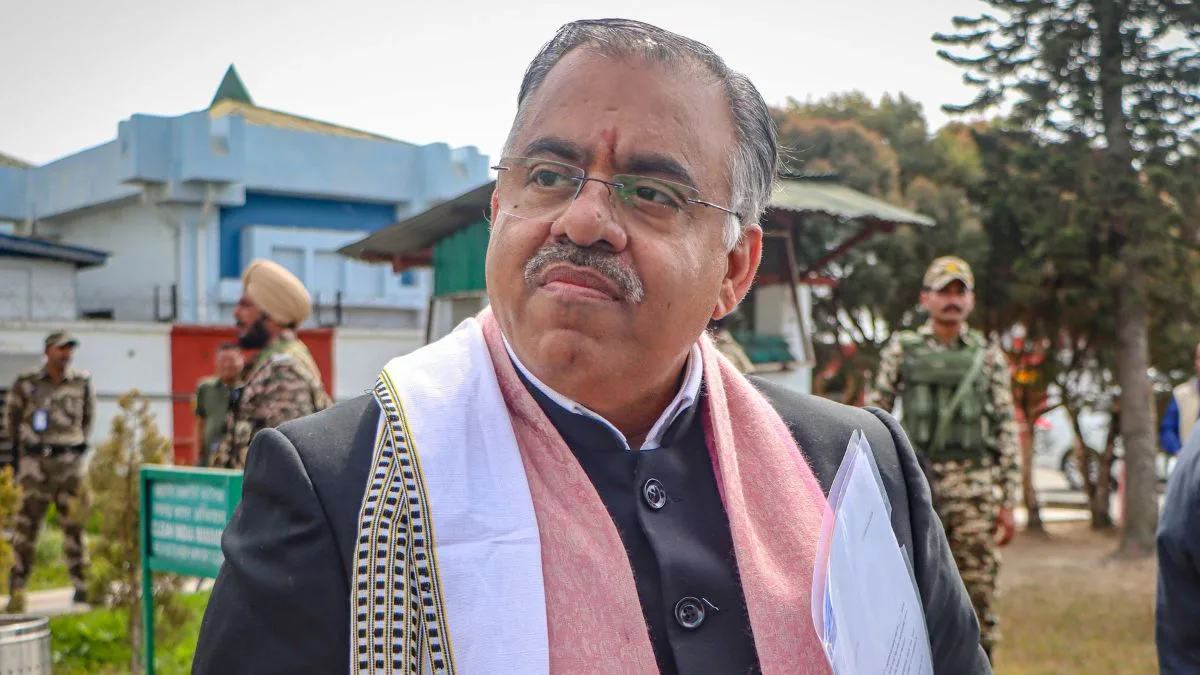
India’s vice-presidential election, though often overshadowed by larger political contests, has once again underscored the delicate balance between constitutional formality and political messaging. The elevation of CP Radhakrishnan, a seasoned political figure with deep roots in the ruling alliance, reflects both continuity and strategy at a moment of sudden transition. The vacancy was created by the abrupt resignation of Jagdeep Dhankhar, who cited health reasons for stepping down midterm.
While speculation swirled about possible differences with the government, the official line remained one of prioritising well-being. In such moments of flux, the choice of successor becomes a litmus test not only of political strength but also of institutional stability. Mr Radhakrishnan’s decisive victory over opposition-backed candidate, retired Justice Sudershan Reddy, reveals two things: the ruling alliance’s continued parliamentary dominance and the opposition’s struggle to mount a credible counterweight.
Advertisement
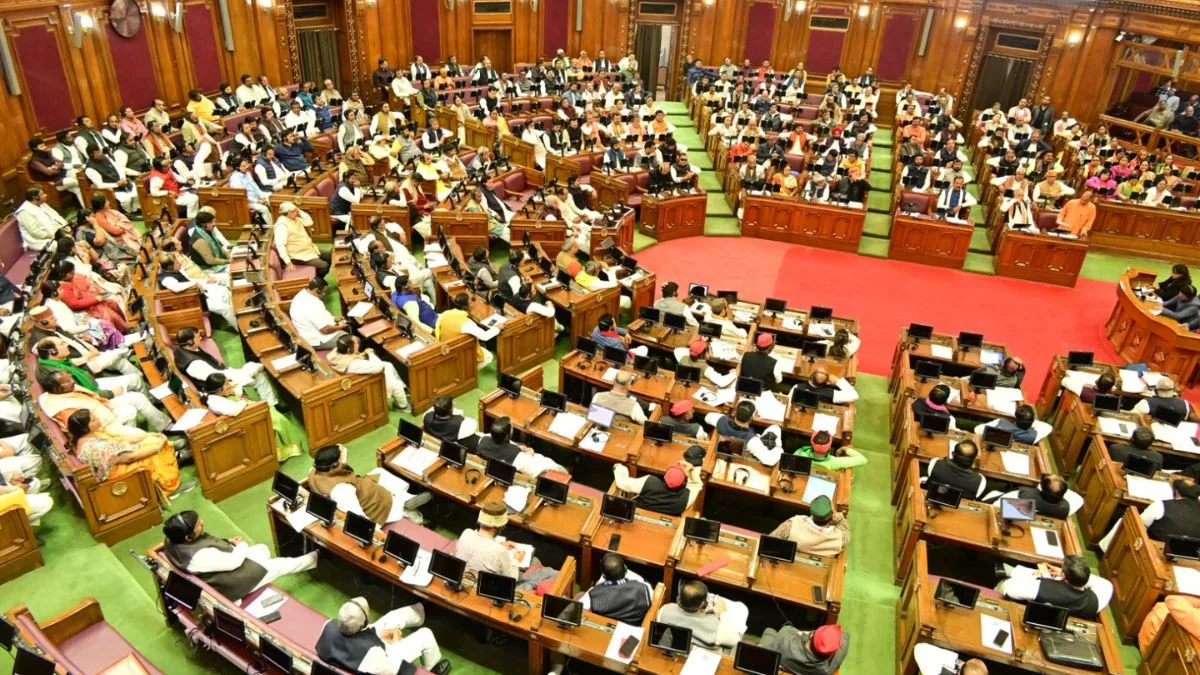
The numbers speak for themselves. Even accounting for invalid ballots, the support Mr Radhakrishnan secured shows a ruling coalition confident enough to press its advantage, while the opposition remains unable to expand its influence beyond symbolic candidacies. But this contest was not merely about numbers. The vice-presidency is the second-highest constitutional office in the country, carrying the responsibility of presiding over the Rajya Sabha and ensuring that parliamentary deliberations remain rooted in decorum and fairness. In an era of fractious debates, walkouts, and acrimonious disruptions, the personality of the chair matters as much as the letter of the rules.
Mr Radhakrishnan’s reputation for affability and ability to work across political lines will be closely watched in this regard. If he can command the respect of both government and opposition benches, he may help restore some dignity to proceedings that too often descend into unproductive theatre. His background also carries significance. A two-time MP from Coimbatore and a former state party president, Mr Radhakrishnan embodies the trajectory of a grassroots political worker rising through organisational ranks. His early association with ideological training grounds has been matched by a practical record of electoral battles and committee work.
This blend of ideological commitment and pragmatic experience makes him a loyalist who can still navigate complexity ~ a profile well suited for a role that demands neutrality without naivety. The broader message from this midterm election is one of stability. At a time when India is preparing for crucial economic and foreign policy challenges, constitutional continuity reassures both domestic and global audiences. Yet stability should not be mistaken for stagnation. The Vice-President’s chair is not ornamental; it is an active institution that can either elevate parliamentary culture or allow it to wither further. The responsibility now rests on Mr Radhakrishnan to prove that this transition is not just about filling a vacancy but about reinforcing the spirit of India’s democracy. His tenure will be judged not only by the government that elevated him but by the millions of citizens who expect institutions to rise above partisanship.